Dr Earl Carlson’s connection to the Spastic Centres of South Australia resulted in big changes. Dr Carlson had cerebral palsy and, at the age of 18, he could not feed himself, dress himself, and he “could hardly talk”. Yet, by age 30, he had graduated with a medical degree from Yale University in the United States of America.
Dr Carlson arrived in Adelaide in 1948, where he witnessed and favorably commented on the work of the Spastic Centre, The Spastic Children’s Parents’ Group and the Crippled Children’s Association.
Dr Carlson played an important role in the history of the Spastic Centres. Before his arrival, the Spastic Centres operated from the Adelaide Children’s Hospital but outgrew the hospital space and moved to Kermode Street, before quickly out growing that, too. There were many more children who needed access to the Spastic Centres. Dr Carlson inspired the creation of the original Woodville campus, which was first established in the early 1950’s, as he wanted a facility to be established in South Australia to provide better lives for people with disabilities.
Dr Carlson understood, through his medical qualifications but, importantly, through his own lived experience, knew what the children of South Australia needed. “There is a sense of frustration to be overcome, and it can be done by giving a child a feeling of personal worth”, Dr Carlson said.
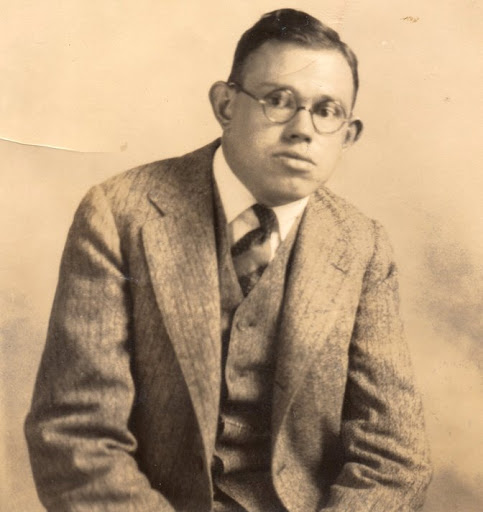
Image Description: Dr Earl Carlson


From the roar of the crowd at Coopers Stadium to celebrating premiership success with the...

What’s in a name? Quite a lot, actually. The NDIS has reintroduced the familiar term...

We’re not a disability service; we’re a Possibility Service. While much has changed since the...